
Organics
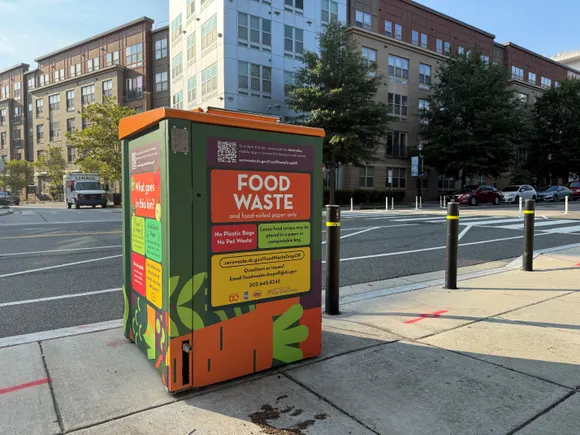
DC expands food waste collection for multifamily housing
Washington, D.C. will add 20 new public smart food waste bins this fall, bringing the total to 51. Since the program launched in 2024, residents have deposited over 1 million pounds of food waste. The initiative aims to provide more composting options for residents of multi-family housing, supporting the city's goal of diverting 80% of waste by 2040.
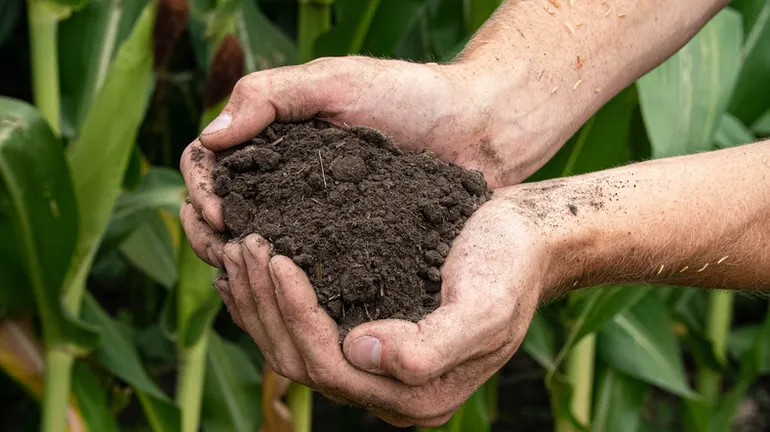
Viably looks to expand with Harp Renewables deal
Equipment supplier Viably has completed the acquisition of Harp Renewables, whose modular aerobic digestion units have served approximately 300 customers globally. The transaction amount was not disclosed. Viably President Brandon Lapsys stated that the move aims to vertically integrate and expand deployment of the product, with plans to increase the number of Harp units deployed by three to four times current levels over the next five years.
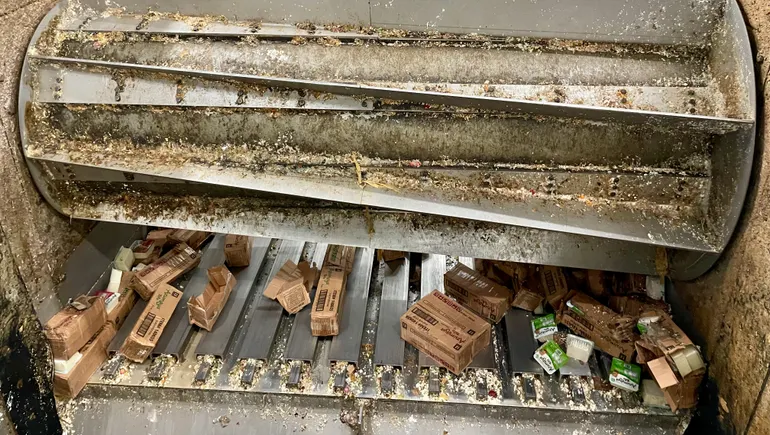
State regulators grapple with food depackaging rules
With the development of organic material recovery technologies, the application of food unpacking equipment is gradually expanding. Three U.S. states are taking the lead in formulating relevant regulatory rules, but face difficulties such as microplastic sampling and standardization of contamination measurement. Regulators in various states are exploring balanced approaches through methods such as soliciting public comments and adjusting contamination limits.
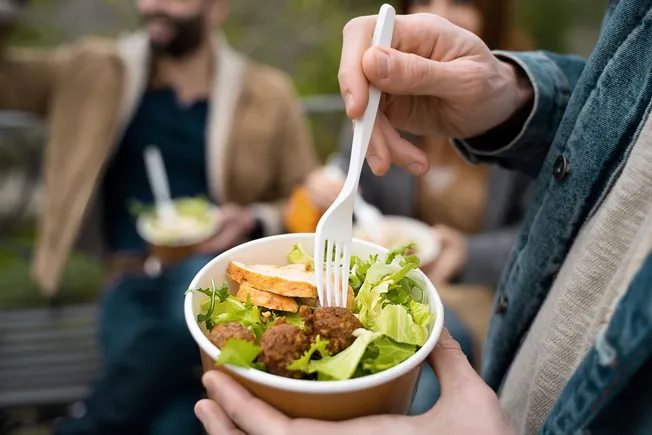
California compostables bills, opposed by BPI, won’t advance
California's AB 1812 and SB 1031, which sought to restrict plastic in compostables and tighten labeling, have stalled after missing a legislative deadline. BPI, a major opponent, calls the outcome a win for the compostable products industry and now shifts focus to amending existing law AB 1201.
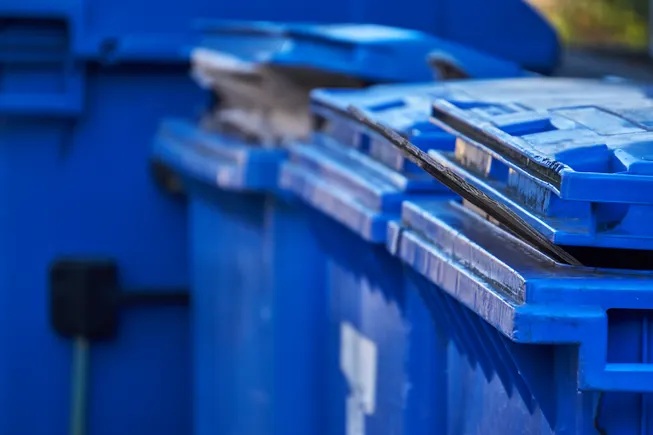
EPA announces $28M in SWIFR grants for tribal recycling and composting
The U.S. Environmental Protection Agency (EPA) announced a total of $28 million in funding for 23 tribal and intertribal consortium projects through the Solid Waste Infrastructure for Recycling (SWIFR) grant program. This round of funding will support recycling facilities for relocated tribes in Alaska, a new MRF project in Florida, and composting initiatives in Michigan fishing communities, among others. This is the second round of SWIFR tribal funding, with the first round announced in 2023, comprising 58 projects totaling approximately $83 million. The EPA stated that the funding aims to increase recycling rates, reduce disposal costs, extend landfill lifespan, and create jobs.
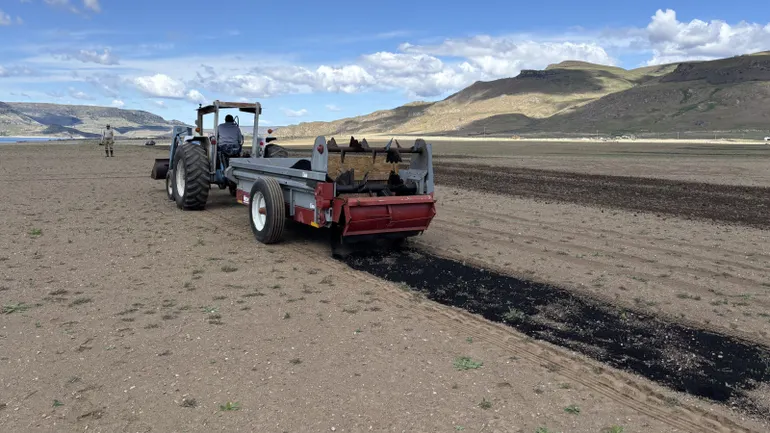
Biochar is booming. Could waste fuel its future?
According to the latest report from the U.S. Biochar Initiative (ABI), the U.S. biochar industry's annual production increased from 86,893 metric tons in 2023 to 151,329 metric tons in 2025, with the industry's economic value tripling over the same period. Although woody biomass remains the primary feedstock, waste feedstocks such as sewage sludge and municipal solid waste are attracting investment and may surpass traditional feedstocks in the next decade. The dual revenue model of carbon credit markets and processing fees is driving waste-derived biochar to become the most resilient commercial pathway.
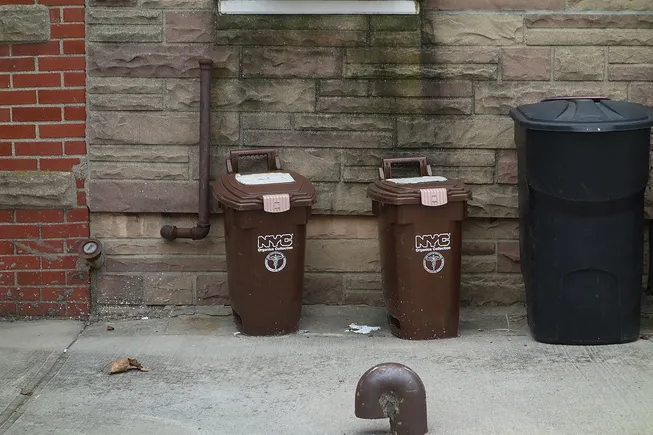
New York City Council looks to expand organic waste requirements
The New York City Council recently passed a bill (Int. 31) aimed at expanding commercial organic waste diversion requirements, which will automatically become law if the mayor does not sign it. Meanwhile, the Council reintroduced Bill 396, requiring each borough to set minimum composting processing capacity, and it has gained support from the new Sanitation Committee Chair.