
PFAS

EPA draft guidance on PFAS in biosolids draws mixed reviews
The U.S. Environmental Protection Agency (EPA) has extended the public comment period by 30 days for its draft guidelines on managing per- and polyfluoroalkyl substances (PFAS) in biosolids, with clear divisions among stakeholders: environmental organizations argue the new guidelines lower regulatory ambition, while water and agricultural industries appreciate the correction of flaws in earlier risk assessments. The draft guidelines could affect operations at wastewater treatment plants, composting facilities, and landfills, and spark debates over cost-sharing.
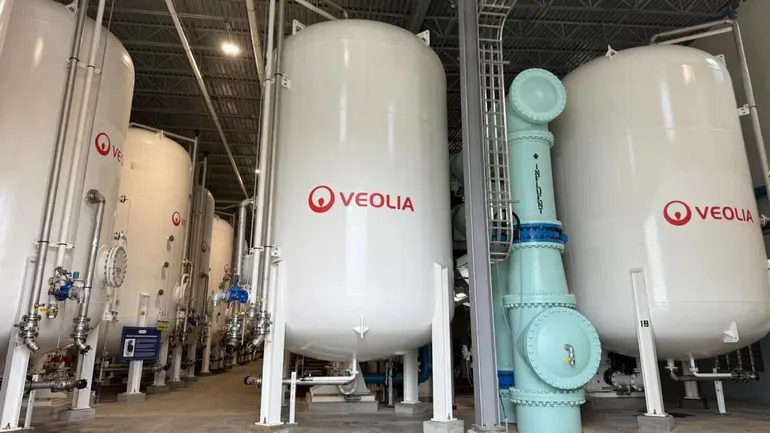
Veolia sues Delaware manufacturers over PFAS in drinking water
Veolia has initiated legal action against manufacturers at six sites upstream of its Stanton Water Treatment Plant in Wilmington, Delaware, alleging PFAS contamination. The company seeks to recover costs for its $35 million granular activated carbon facility and ongoing maintenance expenses.
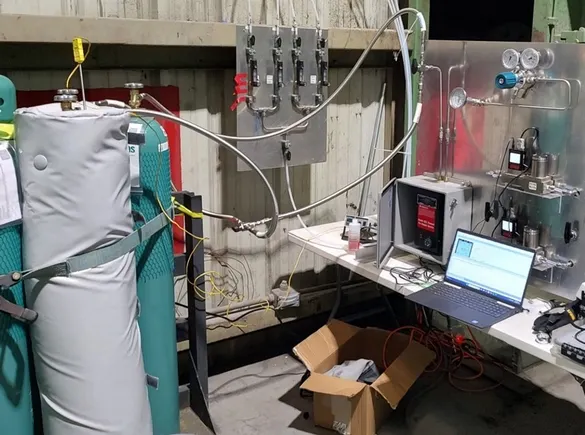
Reworld municipal waste incinerator destroys 98% of PFAS in EPA study
The U.S. Environmental Protection Agency (EPA) and Reworld jointly released a research report last week showing that its Lake County Resource Recovery Facility in Okahumpka, Florida, achieved a destruction and removal efficiency of approximately 98% for PFAS-related compounds during testing, performing better than expected. This study has key differences from previous tests conducted at Clean Harbors hazardous waste incineration facilities. EPA scientists called the results "encouraging" but emphasized that more testing is needed to determine the ultimate fate of PFAS in various types of municipal incinerators.

AFFF management enters new era after incineration pause lifted
The U.S. Department of Defense has lifted the ban on incinerating AFFF and updated disposal guidelines, opening new pathways for PFAS contamination treatment. Over 700 military bases nationwide face cleanup pressure, with the market size expected to exceed $100 billion. This article analyzes technological progress, corporate strategies, and regulatory uncertainties.
EPA revisits PFAS in biosolids guidance, criticizing Biden-era report
The U.S. Environmental Protection Agency (EPA) on Wednesday issued new draft guidelines on PFAS contamination risks in biosolids, criticizing the risk assessment released at the end of the Biden administration as having "unrealistic assumptions" and pledging a "thoroughly transparent" approach. The draft guidelines also provide recommendations for wastewater treatment plant operators to reduce exposure to PFOA and PFOS. Industry groups welcomed the move, while environmental organizations criticized the EPA for rejecting their petitions and questioned the transparency claims.
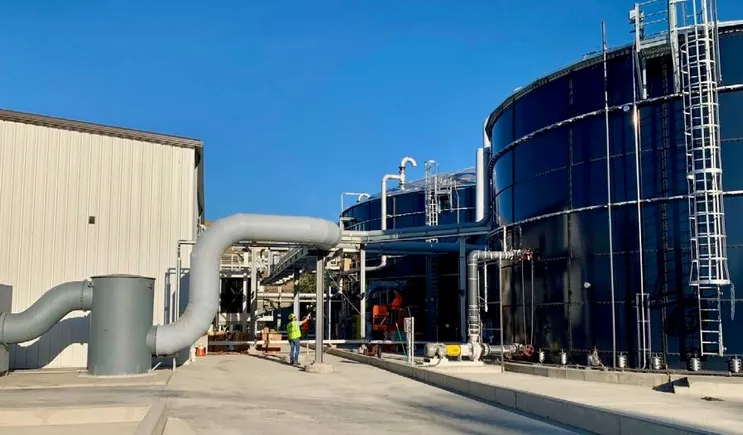
Waste companies weigh costs — and benefits — of PFAS Superfund rule
The U.S. EPA has designated two PFAS chemicals as hazardous substances under the Superfund law, sparking intense debate in the waste industry over costs and liabilities. The National Waste & Recycling Association (NWRA) and some large companies have filed lawsuits, arguing that landfills, as passive recipients, should not bear unfair liability. Meanwhile, companies with hazardous waste treatment capabilities, such as Republic Services and Clean Harbors, are expected to gain substantial revenue from this, while overall industry treatment costs remain highly uncertain.

States grapple with billions in PFAS costs and ask EPA for assistance
State regulators at the New York summit said that nationwide PFAS remediation costs will reach billions of dollars, calling on the EPA to provide more funding support and consider charging upstream producers. The EPA responded that it has advanced cleanup efforts through multiple settlement agreements and plans to update industrial discharge limit guidelines. Minnesota and North Carolina shared their respective experiences and challenges in addressing PFAS contamination.