
The 2026 outlook for the waste and recycling industry
In 2026, the waste and recycling industry faces multiple challenges from macroeconomic, regulatory, and policy fronts. The reshoring of domestic manufacturing, cooling inflation, and commodity price pressures affect daily operations and M&A; states are advancing recycling system reforms, packaging EPR laws are gradually being implemented, while the prospects for bottle deposit legislation remain uncertain; regulatory changes concerning PFAS, food waste, and landfill emissions are drawing significant attention.
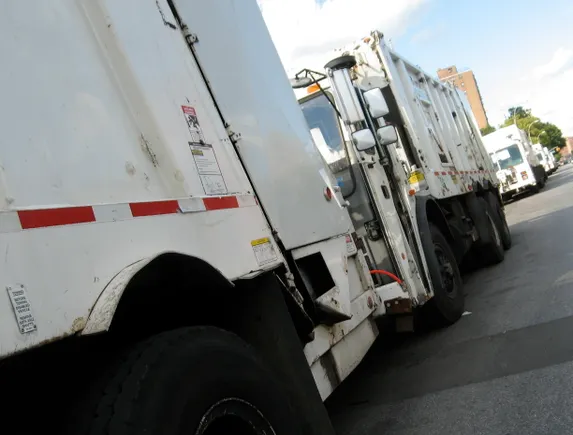
The waste and recycling industry will continue to navigate a complex business and regulatory landscape in 2026.
Macroeconomic trends, such as a focus on domestic manufacturing, cooling inflation and ongoing commodity pressures, will continue to influence how operators manage their day-to-day business. These trends could also shape the M&A landscape and create challenges for waste companies looking to make deals this year.
State-level efforts to revamp recycling systems will also continue in 2026, though it’s too early to tell whether tough-to-pass legislation like bottle bills will make gains. Extended producer responsibility for packaging laws will continue to make an impact as states implement new programs or pursue bills to adopt similar laws.
Meanwhile, businesses will continue to monitor for regulatory changes related to topics like PFAS, food waste and landfill emissions.
What else are you watching this year? Get in touch at waste.dive.editors@industrydive.com.