
Deep Dive
来自我们记者的行业洞察
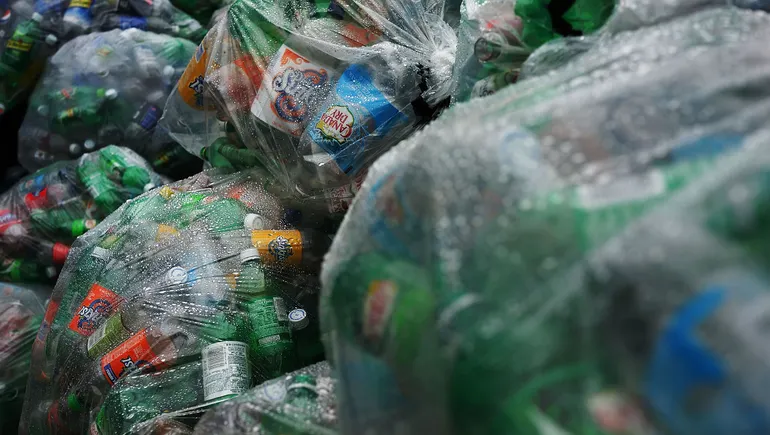
Bottle and Can Deposit Bill Reform Struggles: Realistic Dilemmas Amid Rising Packaging Policy Attention
Reform of bottle and can deposit bills in the United States has stalled in most states, but Connecticut recently signed a bill expanding the scope of recycling and raising the deposit to 10 cents, marking a rare breakthrough. Industry experts note that systemic issues, brand recycling commitments, and competing interests among stakeholders complicate the reform.


Fleet technology advances steadily, but high-cost electric investments remain on hold
Over the past year, local government budgets have come under unprecedented pressure due to the pandemic, yet some sanitation companies and municipal departments are still evaluating new technology investments to improve collection efficiency and safety while reducing environmental impact. Cities like Baltimore have introduced route optimization software, while higher-risk investments such as electric trucks have been postponed due to cost, infrastructure, and uncertainty. Industry observers believe that economics, rather than political pressure, will determine the pace of electrification.

Biden administration prioritizes environmental issues, but recycling industry expects limited federal policy progress in 2021
After the Biden administration took office, its primary environmental agenda focused on broader climate change policies, environmental justice, and listing PFAS as hazardous substances. At the congressional level, recycling-related bills that made no progress in 2020 are expected to be reintroduced, but legislative space is limited due to the impeachment trial, the aftermath of the Capitol incident, and the pandemic crowding the agenda. Industry organizations expect that major federal recycling policy breakthroughs will be difficult in 2021, and changes at the state level may be more significant.
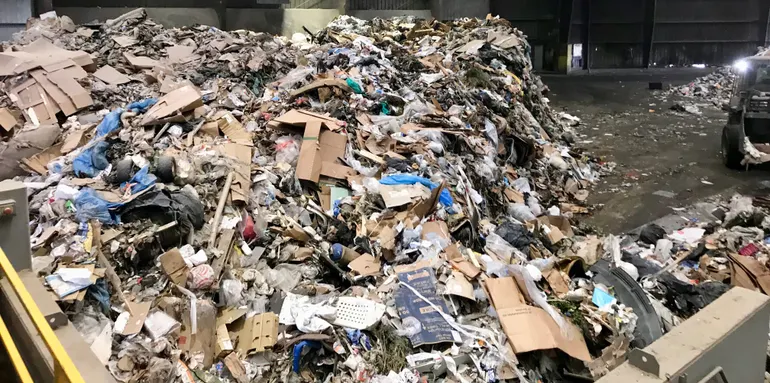

How Hospitals Reduce Waste Through Packaging, Personal Protective Equipment, and Surgical Supply Management During the Pandemic
The COVID-19 pandemic has placed immense pressure on U.S. hospitals regarding supplies of personal protective equipment and testing and treatment materials, while also exacerbating the challenge of medical waste disposal. Hospitals generate approximately 30 pounds of waste per patient per day, much of which consists of plastic packaging and single-use products. Supply chain managers are reducing waste and lowering costs by adopting reusable items, optimizing surgical kit configurations, and improving recycling processes. Drawing on practices from multiple institutions, this article analyzes the sources of medical waste, reduction strategies, and key performance indicators.

Five Trends Chief Financial Officers Should Focus on in 2021
In 2021, CFOs are expected to divert some of their efforts from responding to the pandemic to addressing challenges and opportunities arising from changes in technology, regulation, and more. Based on industry reports and expert opinions, this article summarizes five major trends that CFOs need to prioritize: rising pressure on ESG disclosure, the countdown to LIBOR phase-out, AI-assisted zero-based budgeting applications, enhanced real-time data capabilities, and balancing remote and office work.