
Deep Dive
来自我们记者的行业洞察
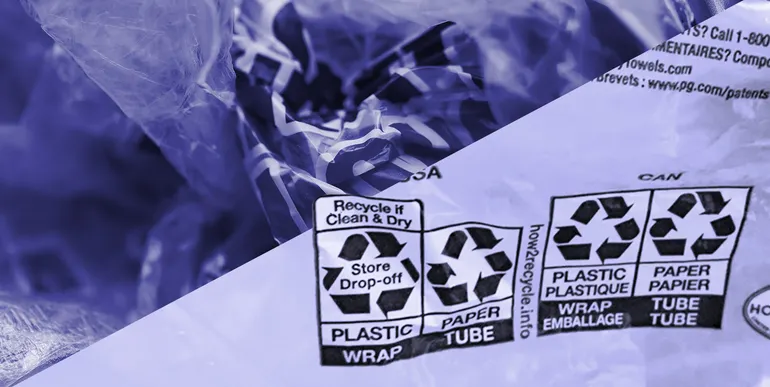
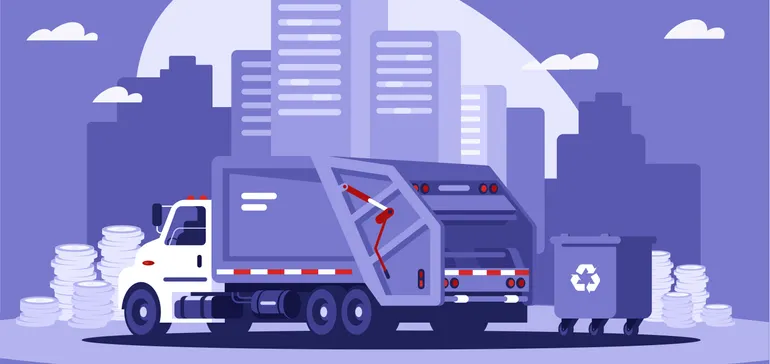
Pandemic Strains Local Finances: Budget Strategies of U.S. Waste and Recycling Departments
The COVID-19 pandemic has triggered cascading effects in U.S. cities, including waste accumulation, delays in sustainability projects, and recycling disruptions. Against the backdrop of strained local finances due to the pandemic, waste management departments are addressing budget challenges by adjusting service frequencies, freezing hiring, and rerouting collection schedules. This article synthesizes case studies from multiple cities to analyze the challenges facing the industry and potential pathways forward.
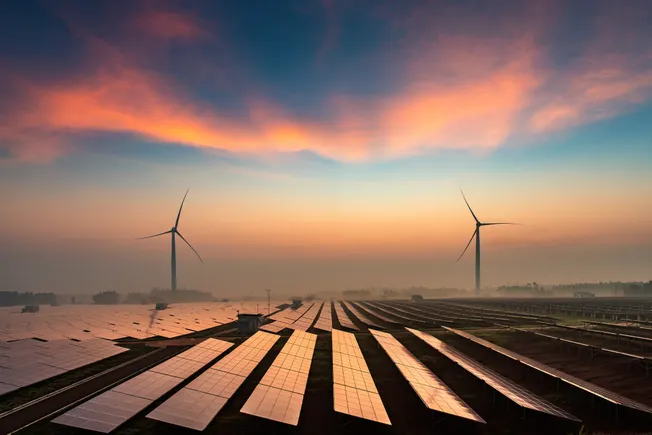
Renewable Energy Is Not 'Zero Impact': Veolia, First Solar and Others Tackle Environmental Challenges of Wind and Solar Power
The U.S. Energy Information Administration projects that renewable energy's share of electricity generation will rise from 18% in 2018 to 31% by 2050. As scale expands, environmental concerns regarding solar and wind power in manufacturing, land use, wildlife impacts, and recycling disposal are drawing increasing attention. Companies such as Veolia, First Solar, and Statkraft, along with research institutions, are seeking solutions through technological improvements, ecological certification, and recycling programs.
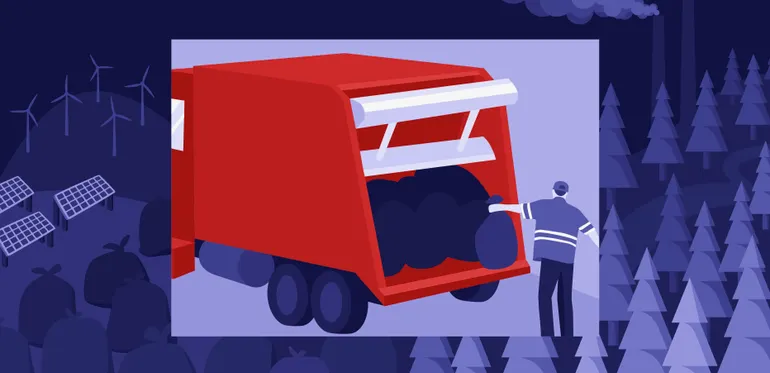

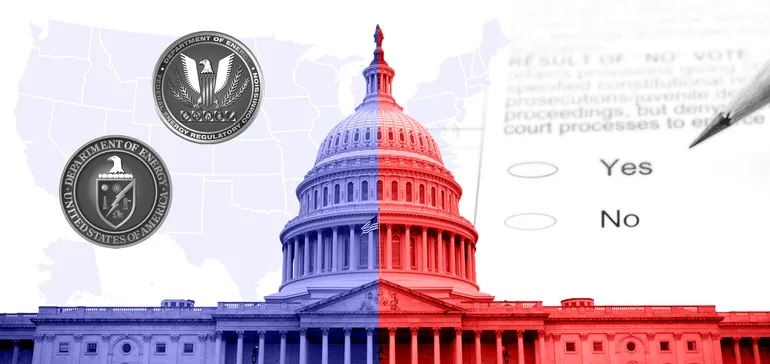
Climate Legislation Faces Dim Prospects in Congress: 2020 Election Outcome Unlikely to Change Structural Barriers
This article provides an in-depth analysis of the severe challenges facing U.S. Congress on climate policy after the 2020 election. Despite the improved economics of clean energy and corporate commitments to net-zero emissions, structural barriers such as the Senate filibuster persist. The article explores the possibilities and limitations of different pathways, including budget reconciliation, bipartisan innovation bills, and clean energy standards, and cites perspectives from key figures, presenting a policy spectrum from "innovation-first" to mandatory emission reduction standards.
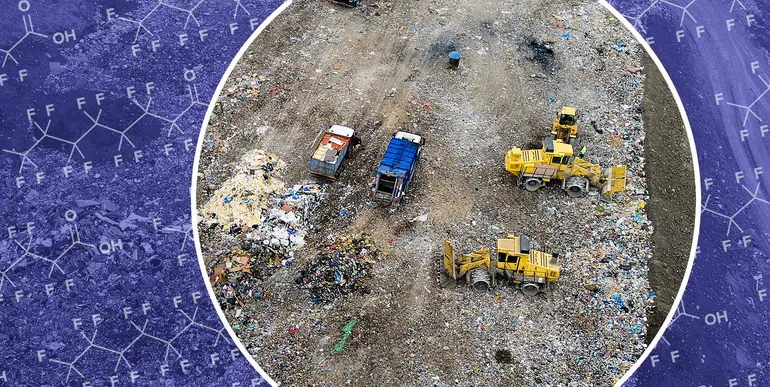
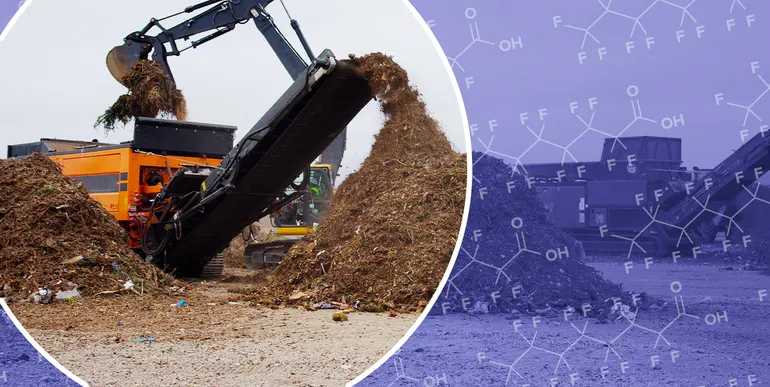
'Never to Zero': Organic Waste Recyclers Face Tough Choices in PFAS Pollution Response
Thirteen types of PFAS were detected at a composting facility in Ann Arbor, Michigan, drawing industry attention. Composters and biosolids processors face dual challenges of regulatory pressure and rising costs, with differing views on the path forward.

E-cigarette fire hazards intensify, industry calls for strengthened legislative oversight
U.S. e-cigarette sales grew by over 122% from September 2014 to May 2020, and the fire risk in their disposal process has drawn industry attention. Due to the lack of federal or state legislation on e-cigarette disposal, and the tendency of built-in lithium batteries to cause thermal runaway during recycling processes, the waste and recycling industry is calling for strengthened regulation and exploring solutions such as extended producer responsibility.