
Deep Dive
来自我们记者的行业洞察
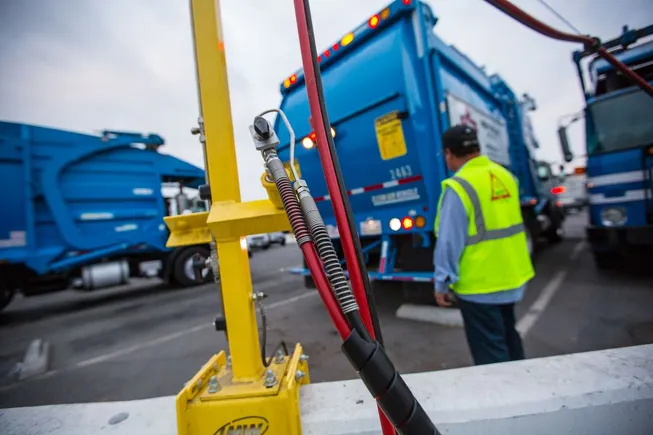
New Wave of Clean Fuel Bills Could Spur a Boom in the Biogas Industry
Following the success of pioneering programs like California's Low Carbon Fuel Standard, many U.S. states are considering clean fuel bills. If more states pass such legislation, it would significantly boost the renewable natural gas industry from sources like landfill gas and anaerobic digestion, attracting waste industry giants and oil companies to compete for positioning.

New York Reshapes Commercial Waste Collection: Five Key Takeaways
New York City recently announced 65 commercial waste collection contracts, marking a critical step in transitioning its commercial waste management system from an open market to zoned franchising. However, the complexity and uncertainty before full implementation in 2026 remain prominent. This article outlines five key takeaways, including initial reactions, fleet electrification plans, safety training requirements, recycling infrastructure investments, and the zoned implementation timeline, and cites perspectives from industry companies, unions, legislators, and advocacy organizations.

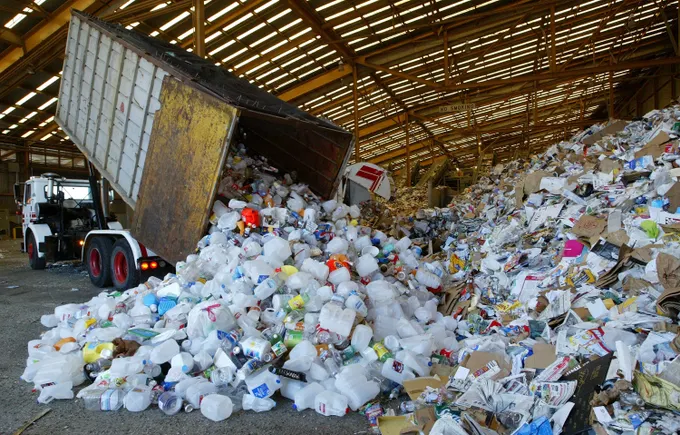
New Trends in Recycling Legislation for 2024: Details Deepen on EPR, Bottle Deposits, and Right-to-Repair Bills
In 2024, state legislatures across the U.S. continued to intensify efforts on recycling policies, with EPR (Extended Producer Responsibility) programs, bottle deposit bills, and right-to-repair legislation taking center stage. Compared to previous years, this year's bills place greater emphasis on details, such as recycled content requirements, the role of chemical recycling, and adjustments to container deposits. Industry experts point out that state-level actions remain the primary pathway for driving policy updates, while federal progress remains slow. This article outlines the latest legislative developments and industry reactions across states regarding EPR, bottle deposits, and right-to-repair.
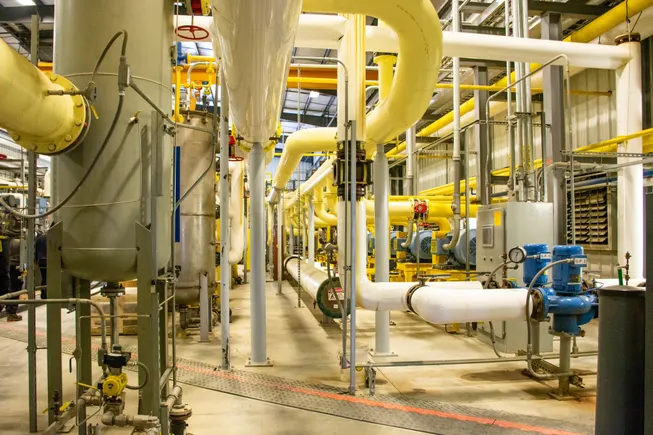
Renewable natural gas industry expected to see project launches and trading growth in 2024, with voluntary agreements and new credit mechanisms as key drivers
The renewable natural gas (RNG) industry is expected to see stronger project launches and trading growth in 2024, continuing the market momentum from 2023. The U.S. Environmental Protection Agency set multi-year biogas production targets under the Renewable Fuel Standard for the first time, and Vanguard Renewables and AstraZeneca reached the largest public-market RNG agreement to date. The industry expects market growth of 10% to 40% in 2024, with continued influx of large institutional capital, such as Ares Management's acquisition of Burnham RNG. However, challenges to project advancement remain, including permitting delays, supply chain bottlenecks, and the exclusion of gas upgrading equipment from the U.S. Internal Revenue Service's proposed tax credit rules. The voluntary purchase agreement market is emerging as a new growth engine and is expected to potentially account for nearly two-thirds of total RNG consumption by 2040.
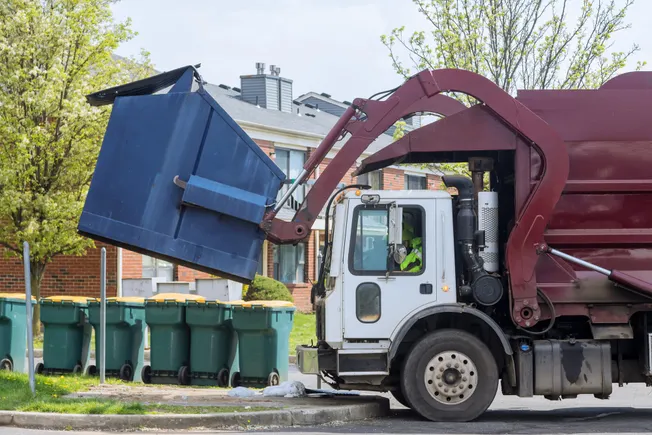
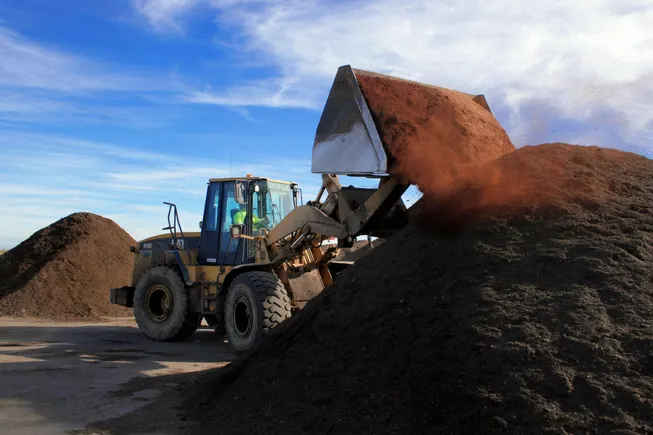
The Controversy and Complex Past of Compostable Packaging Do Not Determine Its Future Direction
Compostable packaging faces multiple challenges including contamination, certification, and infrastructure. A1 Organics, Colorado's largest composter, announced in April 2023 that it would no longer accept compostable packaging (except for CMA-certified 3-gallon bags), drawing industry attention. San Francisco and Minneapolis have adopted different strategies to address contamination issues. Industry organizations such as BPI and CMA are promoting labeling legislation and field-testing certification, with five states having enacted relevant laws. Experts believe that compostable packaging remains an important tool for reducing food waste, but coordinated efforts are needed to address contamination and standardize uniformity.
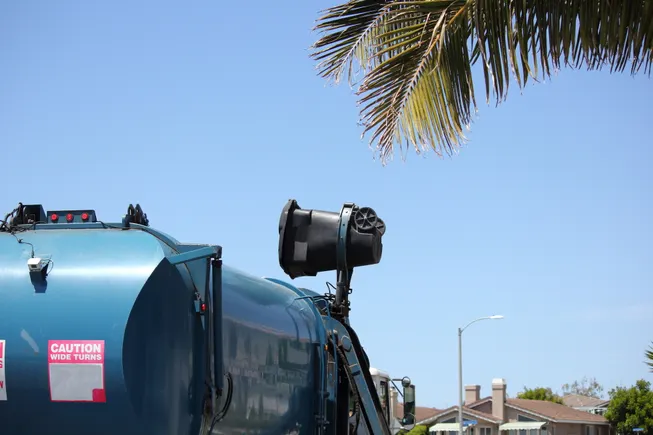
Has the multi-year M&A boom in the waste and recycling industry reached its peak?
Although the volume of M&A transactions in the waste and recycling industry slowed in 2023, the drivers of industry consolidation have not disappeared. Acquisition spending by the five major listed companies is expected to approach $3 billion, with private equity and infrastructure funds also actively participating. High valuations and rising interest rates create a complex situation, but buyers are still seeking deals, and the industry landscape is quietly evolving.
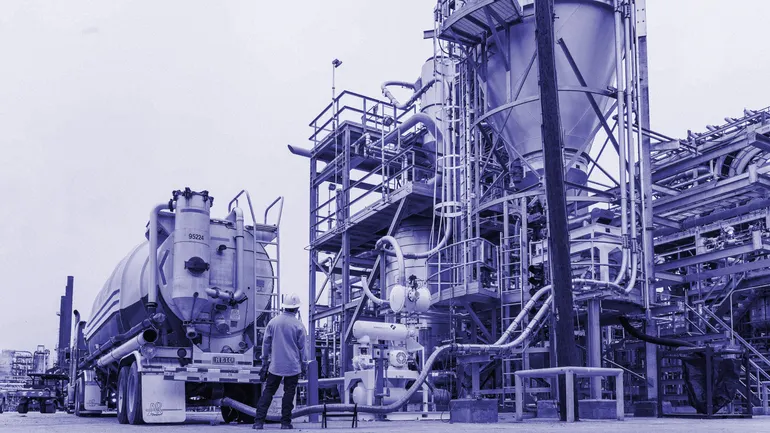
Chemical recycling accelerates and expands production, but pathways for plastic waste management remain controversial
Chemical recycling technology is at a critical juncture in validating economic feasibility and scalability. Companies such as Dow, Eastman, LyondellBasell, and ExxonMobil invest millions of dollars annually to advance facility construction, but environmental and health experts still have doubts about its processing capacity and environmental impact.
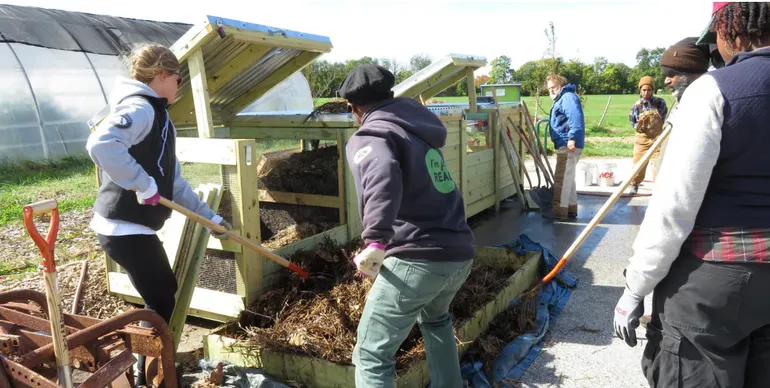
Baltimore Receives $4 Million EPA Grant, New Opportunities for Organic Waste Management
The U.S. Environmental Protection Agency has awarded Baltimore a $4 million grant to build a solar-powered composting facility at the Bowley Lane transfer station, capable of diverting 12,000 tons of organic waste annually. The city is leveraging this to advance its organic waste collection and processing goals outlined in its ten-year solid waste plan.