
New Trends in Recycling Legislation for 2024: Details Deepen on EPR, Bottle Deposits, and Right-to-Repair Bills
In 2024, state legislatures across the U.S. continued to intensify efforts on recycling policies, with EPR (Extended Producer Responsibility) programs, bottle deposit bills, and right-to-repair legislation taking center stage. Compared to previous years, this year's bills place greater emphasis on details, such as recycled content requirements, the role of chemical recycling, and adjustments to container deposits. Industry experts point out that state-level actions remain the primary pathway for driving policy updates, while federal progress remains slow. This article outlines the latest legislative developments and industry reactions across states regarding EPR, bottle deposits, and right-to-repair.
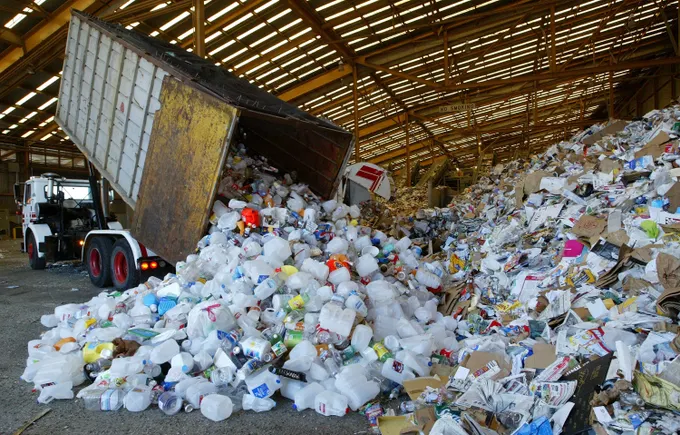
In 2024, the dynamics of recycling policy debates in U.S. state legislatures became increasingly complex, with detailed legislation on key recycling strategies becoming the new norm. Extended Producer Responsibility (EPR) programs for packaging and other materials remained a priority for lawmakers in many states, continuing trends from previous years. Many bills are expected to include recycled content mandates, additional waste diversion measures, or explore the role of chemical recycling as a processing strategy.
States also continued to revise container deposit laws, while some states without bottle deposit systems introduced new bills attempting to establish entirely new frameworks.
Mara Herman, a policy expert at the National Caucus of Environmental Legislators, said lawmakers are becoming increasingly familiar with the complexities of EPR and container deposit systems and are beginning to integrate recycling and waste management issues into broader climate discussions. "Plastic pollution is a global problem, and exploring different pathways to reduce plastic pollution at the source is an area where lawmakers are genuinely interested," she said.
Another policy area gaining attention in 2024 is the right-to-repair movement, which the recycling industry views as crucial for preventing e-waste from ending up in landfills. Last year, right-to-repair laws were passed in three states, marking a breakthrough, and policy experts expect more bills may be approved this year.
Similar to previous years, analysts believe state-level action is the most flexible way to update recycling policies, especially as the divided 118th Congress has not passed any significant federal recycling-related legislation—including two bills widely praised by the waste and recycling industry.
New Pathways for EPR Legislation

EPR legislation continued to become more complex and widespread in 2024, building on the momentum of 2023. To date, packaging EPR bills have been introduced in states such as New Hampshire, New York, Rhode Island, and Washington, with multiple EPR bills also under consideration in Massachusetts.
Last year, Illinois and Maryland passed needs assessment laws, laying the data foundation for future EPR policies. Scott Cassel, CEO of the Product Stewardship Institute, noted that some states may prioritize EPR research bills over comprehensive programs this year, especially for packaging, with Hawaii expected to take this path.
Given the many obstacles to passing comprehensive EPR bills—conflicting stakeholder priorities, disagreements over producer control, cost concerns, and impacts on MRF operators—Cassel said, "Some lawmakers may feel this approach is safer, giving them more confidence to advance EPR the following year." He added that states conducting needs assessments "may gain a deeper understanding of their reuse and recycling systems: what is needed and at what cost."
2024 is also the year when states that previously passed packaging EPR laws enter the implementation phase, and the industry expects to gain more details on how these laws affect MRFs, recyclers, and the overall waste industry.
New York is one of the states attempting again to resolve years of controversy over packaging EPR policy. Last year, the state had competing bills, as well as a version supported by Governor Kathy Hochul, but ultimately no substantial progress was made as the session expired. State Senator Peter Harckham said his 2024 EPR version aims to better unite stakeholders. Deborah Glick is sponsoring the bill in the Assembly. "We met with dozens of stakeholders, many of them multiple times, to hear their concerns," Harckham said at a January press event. "We are committed to working hard and making this a top priority this year."
Supporters of packaging EPR are also pushing for legislation in less prominent states like Tennessee. Supporters of last year's bill called it a powerful way to turn around the state's underperforming recycling system, which ranks 48th in recycling rates according to reports from Ball and Eunomia. These groups are working to get the bill passed this year.
"We fully support this legislation, which has the potential to create local jobs in Tennessee's recycling industry while directly addressing our dwindling landfill space," said Jeffrey Barrie, CEO of the Tennessee Environmental Council, in a statement.
In 2024, EPR policy bills for paint and batteries may also gain attention nationwide. Cassel said New York and Vermont are developing battery EPR bills, while Missouri is advancing a paint EPR bill. A packaging EPR bill in Massachusetts also includes paint provisions. He added that other states may introduce mattress EPR legislation this year.
In California, textiles EPR is expected to make a comeback, and if passed, it would be the first of its kind in the nation. The California Product Stewardship Council, which led last year's bill, turned it into a two-year bill to allow more time for stakeholder engagement. The bill had strong support from Republic Services, the National Stewardship Action Council, Californians Against Waste, and a coalition of environmental groups.
Heidi Sanborn, executive director of the National Stewardship Action Council, said it is too early to tell which product types will gain attention this session, but "California should see some significant new EPR bills this year."
Bottle Deposit Bills Continue to Advance

Bottle deposit bills—whether new programs or expansions of existing laws—have historically been difficult to pass. However, some experts say key successes in 2023 could pave the way for continued improvements in other states in 2024.
Last year, California expanded its program to include juice containers and updated the payment structure for recycling centers; Maine passed two bills aimed at increasing handling fees and simplifying sorting requirements at redemption centers while promoting reuse strategies. However, Vermont failed to pass its bottle deposit bill update; Governor Phil Scott vetoed the bill in the summer, and the legislation did not survive the override attempt in January.
This year, supporters in Massachusetts are pushing to update one of the nation's oldest bottle deposit laws. The current law covers a limited range of beverage types with a 5-cent deposit. A proposal would expand the program to cover more container types and increase the deposit to 10 cents.
Jed Thorp, Rhode Island director of the nonprofit Clean Water Action, said during a December Container Recycling Institute webinar that he is optimistic about becoming the next state to pass a bottle deposit bill. He said lawmakers are increasingly aware that major changes are needed to reform state recycling systems, and container deposit legislation is becoming a more attractive policy option.
Rhode Island's first step is a study, expected to be completed in June, exploring how an ideal bottle deposit program should be designed. The report is the result of last year's passage of the SB 5502 study bill, aimed at helping resolve differences over bottle deposit details in the state.
Illinois is another state vying to pass the next bottle deposit program. It will consider SB 85, which would establish a new beverage container recycling system. New Hampshire and Washington are also aiming to establish new container deposit programs.
Despite slow progress at the federal level, Sanborn said interest in advancing a national bottle deposit bill remains. Her organization will host a lobbying event in February to build more support for potential legislation. Meanwhile, the Break Free From Plastic Pollution Act, reintroduced last year, also includes national deposit return system provisions.
Sanborn said that whether bottle deposit programs are at the state or federal level, brands and companies "need to play a more active role" in developing and implementing such bills to gain the benefits of increased recycled content suitable for manufacturing new containers. "They can no longer be without this material," she said.
However, such legislation still requires support from MRFs and transporters, who have historically been skeptical of the potential impact of bottle deposit bills on their businesses. For example, the National Waste & Recycling Association (NWRA) opposes implementing a national bottle deposit bill, stating that bottle deposits would reduce MRF revenue.
Groups like the Can Manufacturers Institute say bottle deposit policies can be designed to offset negative impacts on MRF businesses. Anne Germain, NWRA's chief operating officer, said the organization actively participates in bottle deposit discussions nationwide but generally believes such bills create unpredictability for MRFs. "It's not a silver bullet," she said.
Right-to-Repair Bills Continue Last Year's Momentum

Right-to-repair law advocates are preparing for another busy legislative season, with multiple bills involving personal devices like laptops, agricultural equipment, and other electronics already introduced or expected to be introduced soon. Recyclers view right-to-repair policies as key to preventing e-waste from ending up in landfills, and multiple state recycling groups, state attorneys general, and other stakeholders support such policies.
Some legislative obstacles from last year—mainly opposition from major brands and tech trade groups—eased in 2024 as companies like Apple changed their stance on such measures. This helped California achieve a significant victory for consumer electronics right-to-repair in October. The law takes effect in July. New York, Minnesota, and Colorado also passed right-to-repair laws in late 2022 and 2023.
This year, Oregon's upcoming right-to-repair bill has gained support from Google, which called Oregon's bill "a strong model for other states to follow." This will be the fourth time state lawmakers have considered such a bill, expected to be introduced shortly after the session begins on February 5, according to the Statesman Journal.
Washington state will try again this year with HB 1933, which failed last year despite support from Microsoft. The Repair Association's Washington chapter said the bill's failure was partly due to insufficient deliberation time, but expects more progress this year.
Meanwhile, Illinois has introduced a consumer electronics bill, and lawmakers in Vermont told VT Digger they are prepared to reintroduce an agricultural equipment repair bill.
iFixit, a leading right-to-repair advocacy group, has petitioned the Federal Trade Commission to initiate rulemaking to regulate right-to-repair laws, with the public comment period open until February 2.