Deep Dive
来自我们记者的行业洞察
How depackaging is radically changing the organics recycling market in Vermont
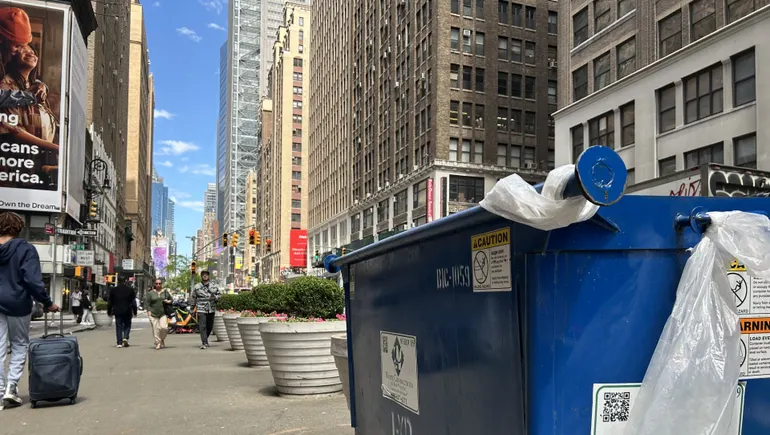
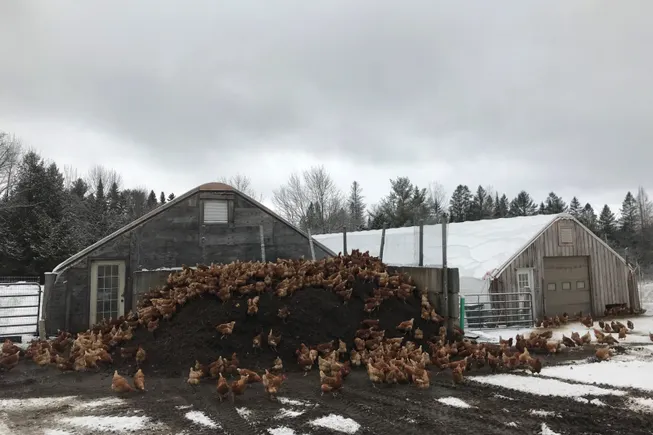
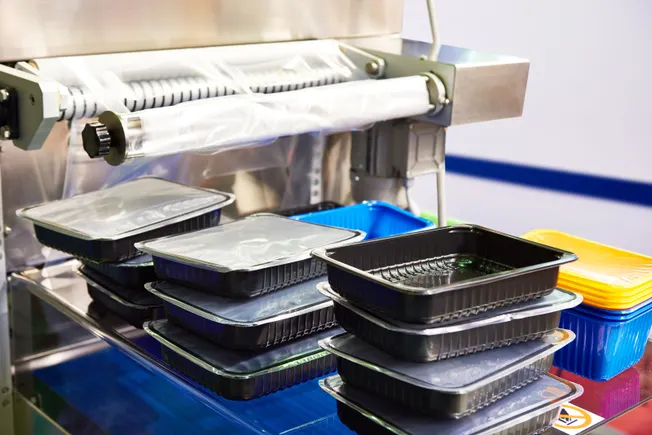
Since Vermont implemented the Universal Recycling Law in 2012, the organic waste recycling market has undergone dramatic changes. The introduction of depackaging technology has enabled large enterprises such as Agri-Cycle and Casella Waste Systems to process large volumes of packaged food waste, but it has also squeezed the survival space of local composters. Facing industry imbalance, the state government passed Act 170 in 2022 to suspend new facility construction, and in 2025 proposed a draft regulation to prohibit the mixed processing of source-separated and packaged organic waste, aiming to protect the composting industry chain. Based on multiple interviews and policy documents, this article outlines the rise of depackaging technology, industry conflicts, and the complex process of policy adjustments.
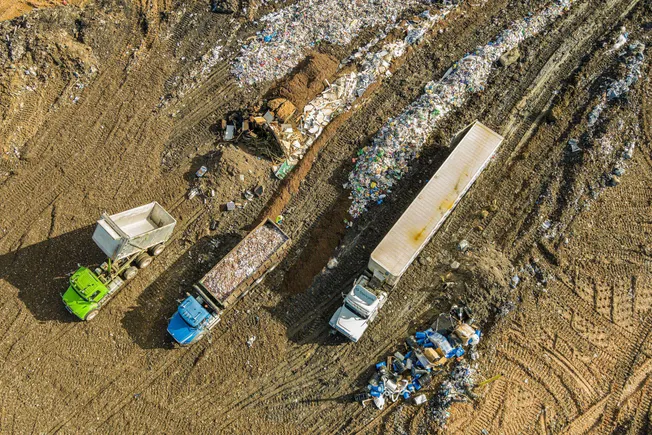
Waste and the economy: 4 areas to watch for the rest of 2025
In 2025, the U.S. waste and recycling industry is adapting to a new economic environment shaped by the Trump tax bill and tariff policies. This article compiles insights from industry leaders and analysts, focusing on four key areas: tax benefits, M&A trends, tariff impacts, and volatility in the recycled commodities market, offering an outlook for the industry in the second half of the year.
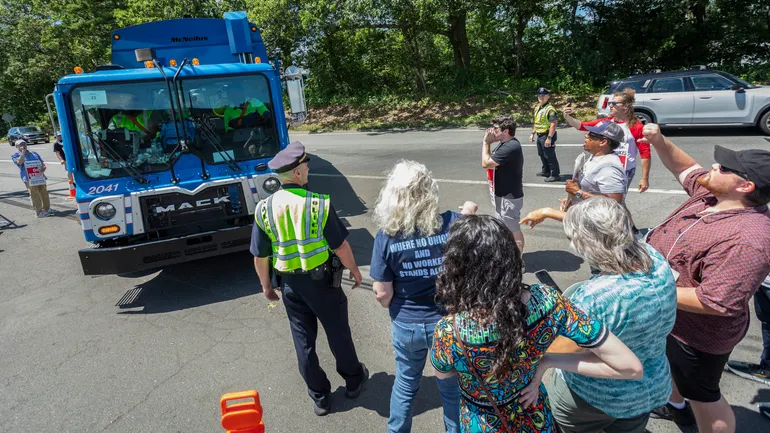
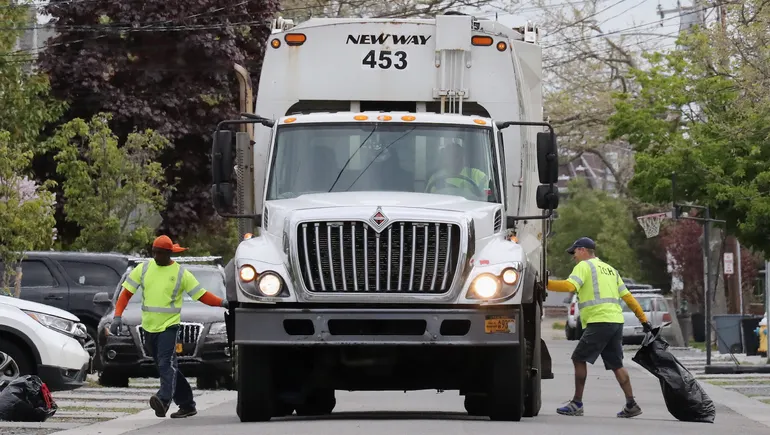
Five Years After the Pandemic: Lasting Imprints on the Waste and Recycling Industry
When the pandemic broke out in 2020, waste and recycling systems continued to operate as essential services. Five years later, industry participants say operations have largely returned to normal, but the pandemic has left varying imprints on safety protocols, workforce perceptions, recycling systems, and investment directions.
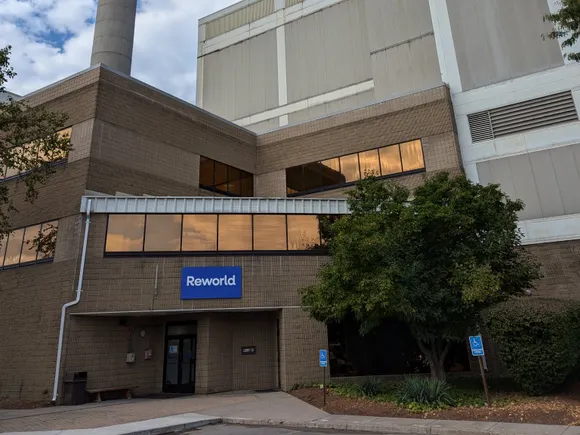
Reworld seeks to expand operations in Connecticut amid waste disposal capacity crunch
Residents in Bristol, Connecticut, continue to complain about noise from Reworld's incineration plant, and the local health district is considering fines. Meanwhile, Reworld, in the final stages of permit approval, intends to co-incinerate biomedical waste at the plant and has proposed building a new facility in Preston to double local incineration capacity. The company believes it can alleviate the state's waste disposal challenges but needs to convince a skeptical public.
Dense 2025 Legislative Agenda: EPR and Deposit Return System Bills Take Center Stage
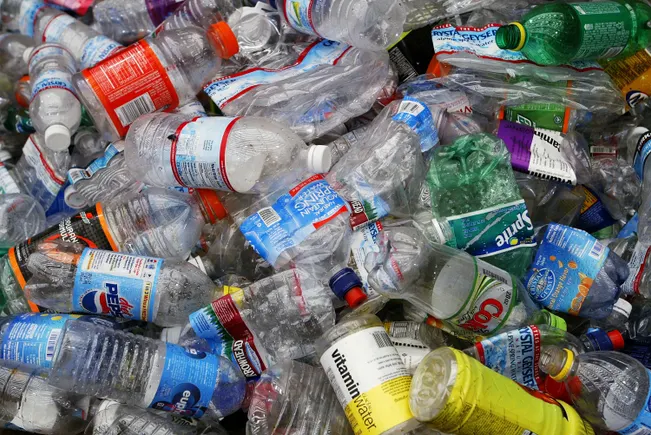
In 2025, state legislators and industry stakeholders across the U.S. are preparing a series of complex recycling bills. Extended Producer Responsibility (EPR) programs for packaging materials will continue to advance in multiple states, with Oregon set to implement its law first. Meanwhile, after California and Connecticut updated their deposit return systems, several states are considering new legislation or revising old laws to boost recycling rates. At the federal level, it remains uncertain whether the new Congress will revive the recycling bills that failed to pass in the previous session.
The Increasing Impact of Life Cycle Assessment on EPR Program Outcomes
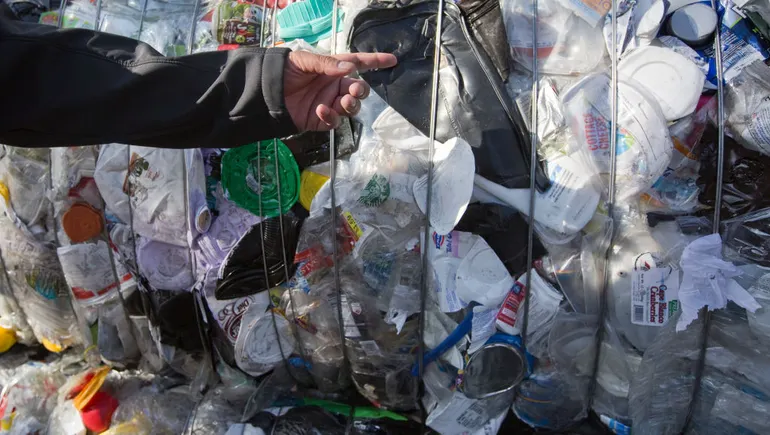
Oregon has become the first state to use life cycle assessment (LCA) in its packaging EPR program to determine producer fees and incentivize environmentally friendly packaging. Although LCA has been criticized as flawed, it is considered the best available tool at present. The Oregon Department of Environmental Quality plans to use LCA to encourage companies to reduce environmental impacts, but experts note that its effectiveness depends on the comprehensiveness of the assessment and its influence in decision-making.