
Deep Dive
来自我们记者的行业洞察
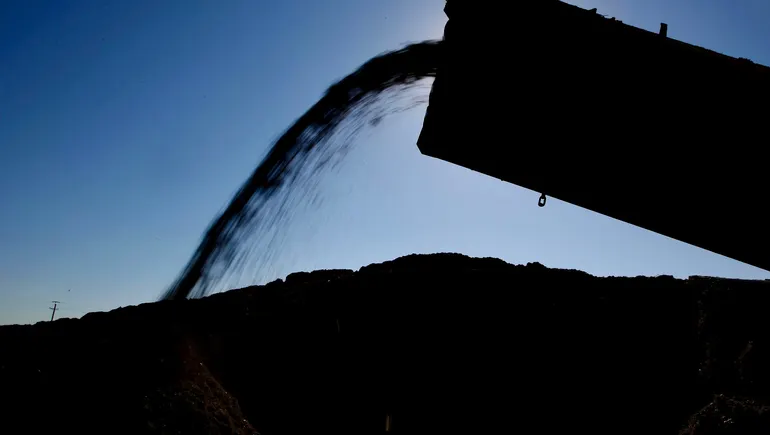
California recyclers anticipate a 'tsunami' of food waste, focusing on infrastructure and end-market development
California's SB 1383 is driving large-scale expansion of organic waste processing infrastructure, with giants like WM, Republic Services, and Recology investing in composting facilities, and companies such as Anaergia developing anaerobic digestion. The industry faces challenges including lengthy permitting cycles and end-market cultivation, with differing views on technology route selection.
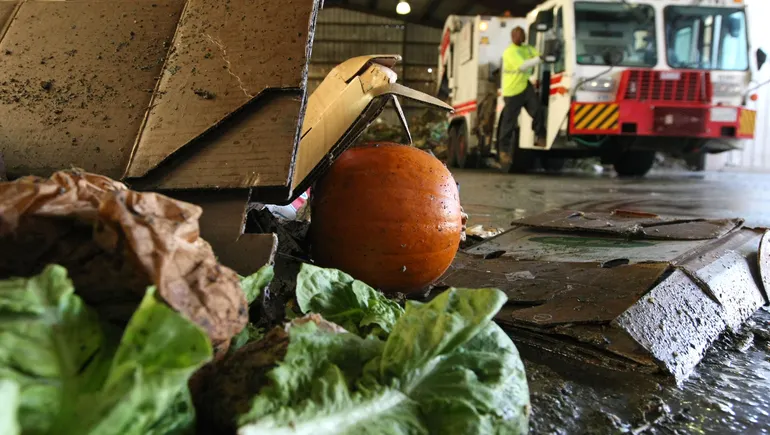
California Organic Waste Recycling Investment Boom: SB 1383 Policy Becomes Industry Testing Ground
California is implementing SB 1383, its most ambitious waste policy in decades, requiring a 75% reduction in organic waste disposal compared to the 2014 baseline by 2025. The policy is expected to cost approximately $20.9 billion between 2018 and 2030, while potentially generating about $17 billion in economic benefits. Local jurisdictions face double-digit rate increases to build new collection and processing systems, while businesses are investing in facilities such as composting and anaerobic digestion. The industry is divided between source-separated and mixed-waste processing approaches, with the southern region expected to require dozens of new facilities. CalRecycle officials say that if successful, the model could be replicated nationwide.
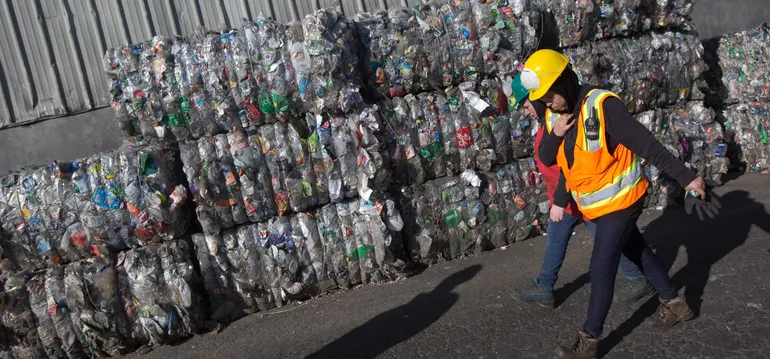
Food giants' sustainable packaging goals face supply-demand reality check
Companies such as Keurig Dr Pepper, PepsiCo, and Mondelēz International have in recent years set targets to reduce virgin plastic use in packaging, shifting toward alternatives like recycled plastics and paper. However, factors including the pandemic disrupting consumer behavior and material supply chains, limitations in the U.S. recycling system, and the Ukraine war driving up energy and material costs are complicating these timelines. Industry analysts note that many commitments lack the means for implementation, with recycled plastic supply constrained and prices highly volatile, while paper prices have also risen significantly. In the short term, the outlook for achieving these goals is fraught with uncertainty.
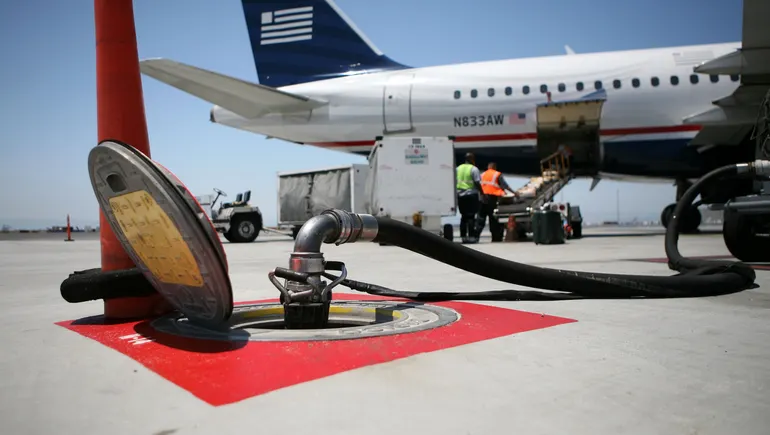
Waste-to-Aviation Fuel: Time for Takeoff?
This article explores the current status and controversies surrounding the conversion of waste into sustainable aviation fuel (SAF). Fulcrum BioEnergy's Sierra biorefinery plans to use municipal solid waste (MSW) to produce synthetic crude oil, but independent researchers question its energy efficiency and environmental friendliness. The industry faces challenges such as feedstock diversity, technical bottlenecks, and high costs, and the outcome may become clear in the next 20-30 years.
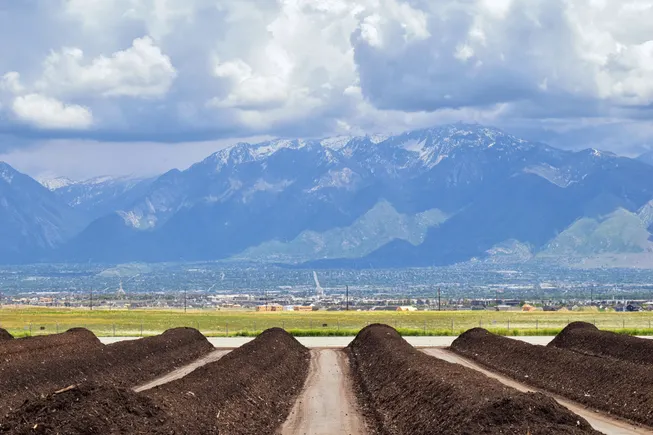
Compost output climbs, policy and research dual drivers expand market
U.S. compost production reached approximately 5.1 million tons in 2020, but agricultural consumption accounts for only 10%. To absorb the growing compost supply, states such as California and Washington are enacting legislation requiring public projects to prioritize compost products; meanwhile, industry sales personnel and researchers are working to expand compost's market space in agriculture, landscaping, and road maintenance through customer education, application technology improvements, and carbon sequestration benefit assessments.
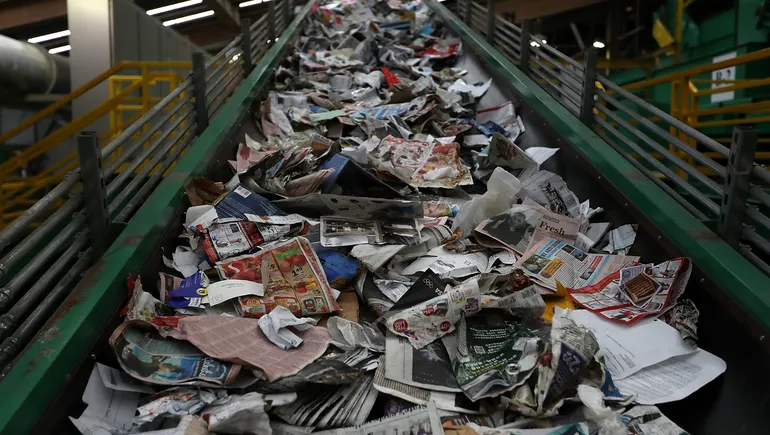
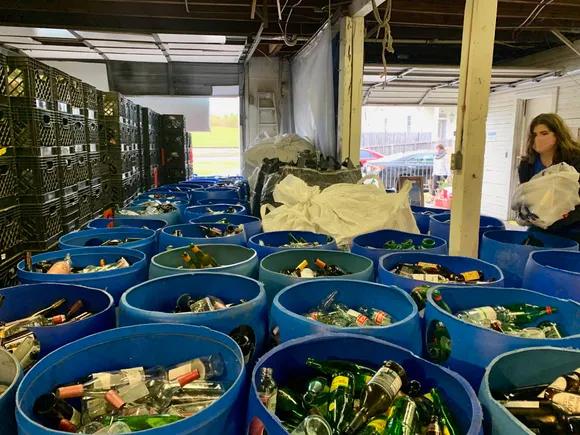
Glass Recycling Revival: Specialized Drop-off Points and Dedicated Collection Programs Gain Momentum
Glass recycling in the United States is showing signs of recovery after community cutbacks. More local governments and entrepreneurial organizations are using models such as source separation, drop-off points, and dedicated collection to control costs while increasing glass purity and recycling value. According to U.S. Environmental Protection Agency data, in 2018, approximately 3.1 million tons of glass containers were recycled nationwide, with a recycling rate of 31.3%, and the industry target is to reach 50% by 2030.
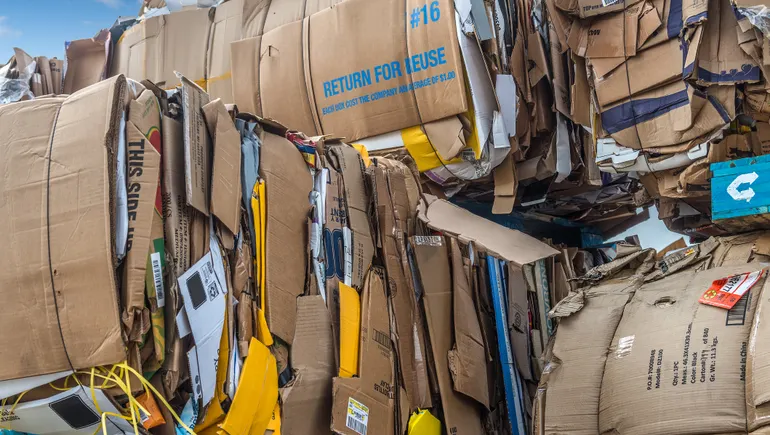

Sanitation workers killed in frequent traffic accidents, industry organizations focus on distracted driving prevention
Recent incidents in Ohio, New York City, and other areas have seen multiple sanitation workers struck and killed, drawing industry attention to the issue of distracted driving. Data indicates that traffic accidents are a leading cause of death among solid waste collection workers, yet existing data fails to fully capture the impact of distracted driving. Industry organizations are pushing for legislative changes, technological improvements, and public education, while also urging federal agencies to enhance coordination.