
Deep Dive
来自我们记者的行业洞察
Five Years After China's 'National Sword' Policy: U.S. Domestic End Markets for Recycled Paper and Plastics Continue to Expand
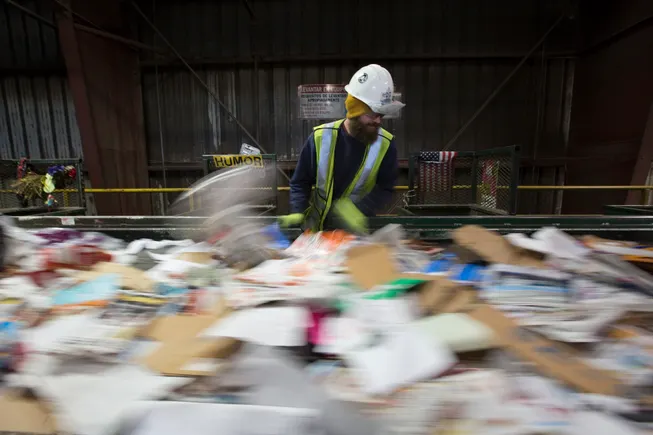
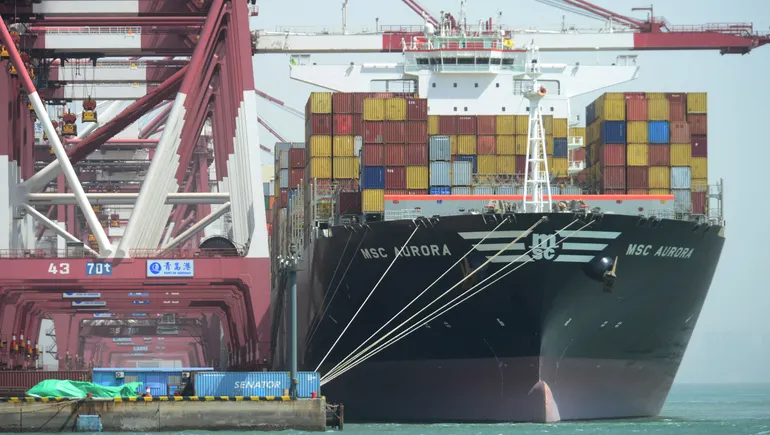
Since China implemented its 'National Sword' policy in 2018, the U.S. recycled paper and plastics industry has experienced a surge in domestic end-market investment, adding millions of tons of new capacity. However, industry views differ on the policy's driving force, while challenges such as feedstock supply and contamination control persist.
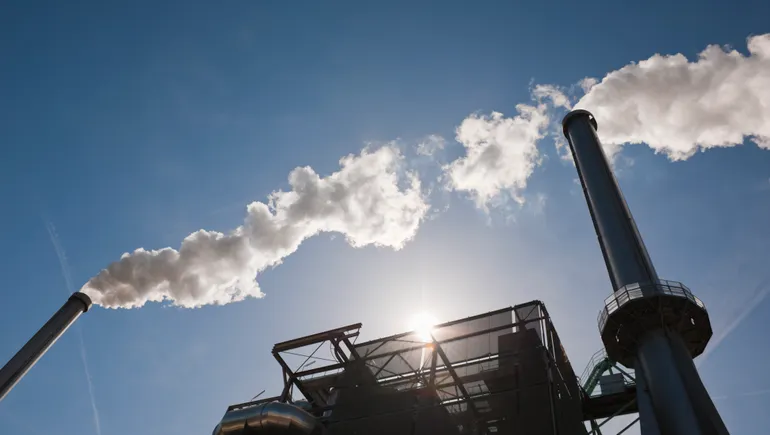
Can carbon capture make waste-to-energy plants achieve net-zero emissions? European operators are trying to provide an answer
European waste-to-energy operators are actively exploring the installation of carbon capture, utilization, and storage (CCUS) systems at incineration facilities to cope with increasingly stringent climate policies. Although interest in the United States is scant, companies such as Covanta, Suez, and Veolia in Europe have announced related plans. Projects face challenges such as high costs and high energy consumption, while alternative approaches like recycling and composting are also seen as important paths to decarbonization.
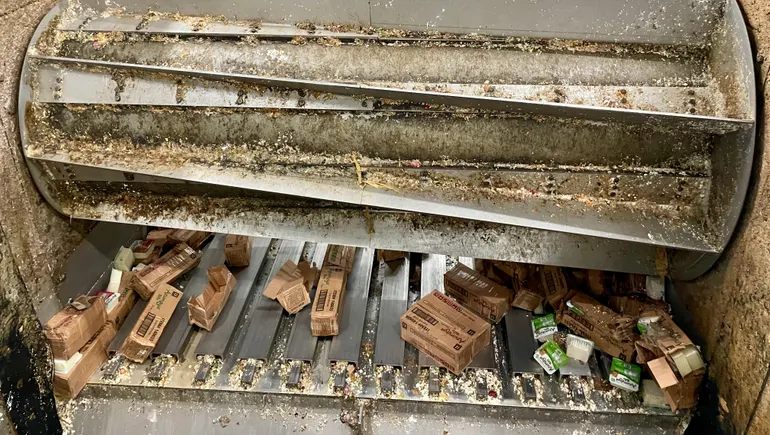

San Francisco Bay Area: Inspiration for California's Organic Waste Regulations, with Both Recycling Experience and Limitations
California's SB 1383 regulation primarily draws on the organic waste recycling model of the San Francisco Bay Area, but after years of implementing source-separated collection, jurisdictions in the region still face issues such as low participation rates and excessive organic content in residual waste. Some jurisdictions are exploring supplementary methods like mixed waste sorting, but project operators still emphasize that source separation is the core strategy.
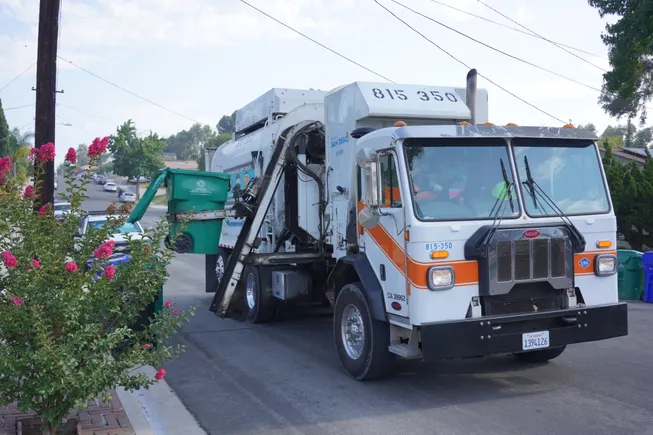
Three Regions in Southern California Accelerate Organic Waste Recycling Programs
With the full implementation of California SB 1383, various areas in Southern California are accelerating organic waste recycling. Los Angeles plans to expand residential collection in phases, San Diego faces funding difficulties due to historical ordinance restrictions, and San Bernardino County is exploring viable solutions in remote areas. These three cases highlight the different challenges posed by scale, cost, and geographic differences.
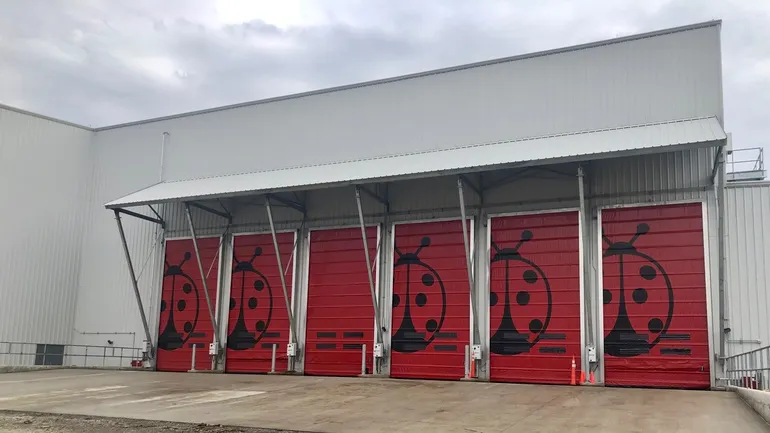
Renovare's Prospects Uncertain After West Virginia Facility Closure and Merger Reversal
Renovare Environmental once touted its West Virginia mechanical-biological treatment facility and small food waste digesters as the future model for the industry, but now faces multiple crises including indefinite plant closure, merger reversal, stock delisting, and debt default. The company is in talks for a reverse merger with Harp Renewables, but the outlook remains uncertain.
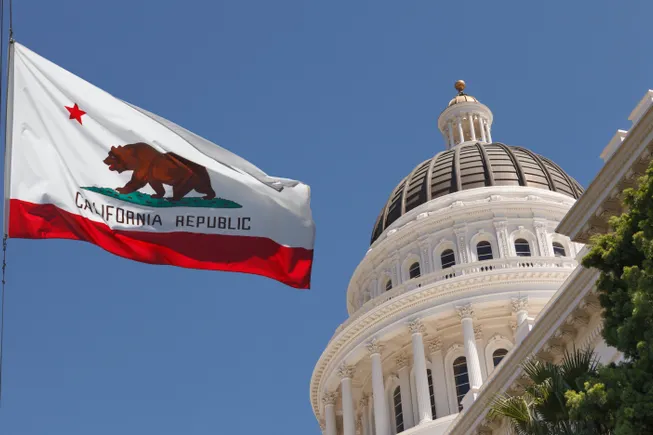
California local governments face financial and logistical challenges in organic waste recycling law
California SB 1383 promotes comprehensive organic waste recycling, but local governments face uneven implementation progress under multiple pressures such as regulatory delays, pandemic disruptions, and insufficient funding. This article explores key issues including costs, exemptions, and compliance pathways.